
Most crop processors manage grower relationships across a patchwork of disconnected systems. Contracts live in one place. Payments get calculated somewhere else. Field data sits in spreadsheets. Grower communication happens through phone calls and emails that nobody can find later.
This fragmented approach to grower management creates problems that compound over time:
Staff manually transfer information between systems, introducing mistakes that affect grower settlements and compliance documentation
Without a single source of truth, growers question calculations and accounting staff spend hours reconciling discrepancies
Traceability records, chemical inputs, and food safety documentation scatter across filing cabinets and shared drives
No real-time visibility into contract performance, delivery schedules, or quality grades across your grower base
| Fragmented System Reality | Business Impact |
|---|---|
| Contracts in one system, payments in another | Manual data transfer, settlement delays |
| Field data in spreadsheets | No audit trail, compliance risk |
| Grower communication via email/phone | Lost context, relationship friction |
| Quality data disconnected from payments | Pricing adjustment errors, disputes |
For raw ingredient processors managing hundreds of grower relationships, this disconnection is a competitive disadvantage. Every manual handoff between systems is an opportunity for errors, delays, and damaged grower relationships.
Integrated grower management software changes this equation entirely.
Grower management software is a lot of things: contract management, grower accounting systems, traceability, and payments are all potential pieces. They just happen to be solving one piece of a much larger puzzle.
Integrated grower management is different. It’s a single system that handles the entire grower lifecycle, from the moment you start planning your raw ingredient procurement through the final grower settlement. Every stage connects. Data flows automatically. Nothing falls through the cracks.
Think of it as five connected stages working together:

| Stage | What Happens | Why It Matters |
|---|---|---|
| Plan | Forecast needs, set targets | Procurement starts with accurate projections |
| Contract | Create flexible grower contracts | Terms, pricing, and delivery schedules in one place |
| Monitor | Track field data and compliance | Chemical inputs, crop conditions, food safety documentation |
| Receive | Weigh, grade, and store | Quality data captured and linked automatically |
| Pay | Calculate and distribute payments | Settlements based on actual delivered quality and quantity |
At the center of all five stages sits operational intelligence, connecting the data and making it useful for decisions, reporting, and audit trails.
This approach solves a problem that point solutions and ERP customization projects struggle with: getting systems to actually talk to each other. When your contract terms automatically inform your payment calculations, and your quality grades flow directly into grower records, you eliminate the manual work that creates errors and delays.
The result? One source of truth for your entire grower relationship management operation. Your team sees the same data. Your growers get consistent communication. Your auditors find what they need.
Let’s walk through what actually happens at each stage of the grower lifecycle, and how ExtendAg keeps everything connected.
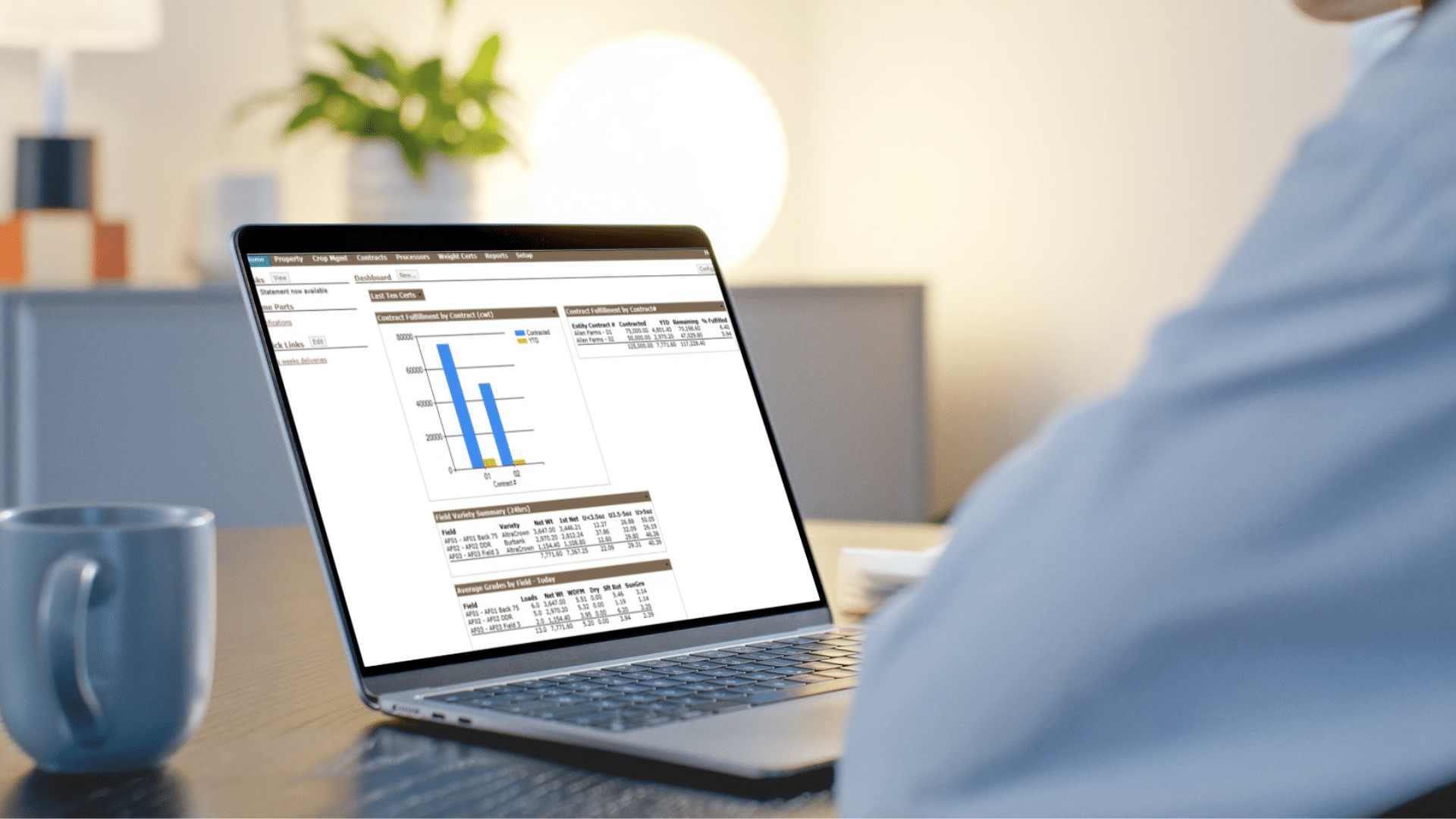

| Contract Capability | What You Get |
|---|---|
| Dynamic pricing structures | Automatic adjustments for quality grades and delivery timing |
| Flexible scheduling | Delivery windows that match harvest realities |
| Performance tracking | Real-time visibility into contracted vs. delivered volumes |
| Quick modifications | Adjust terms across multiple grower contracts when conditions change |

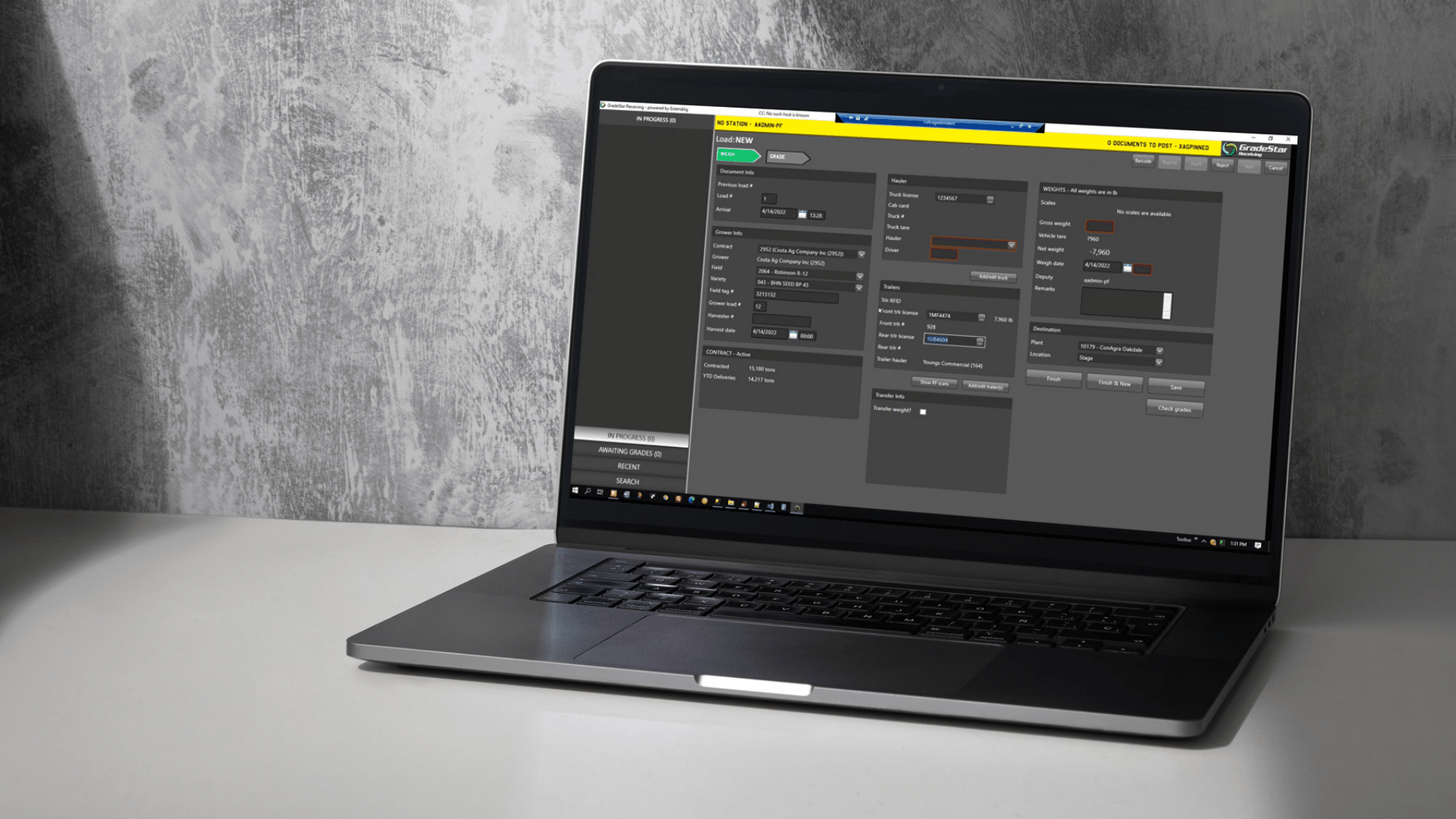
Receiving is where field data meets facility operations. Trucks arrive, product gets weighed and graded, and quality determinations happen that affect both inventory and grower payments.
ExtendAg connects receiving operations to everything else:
When your grading system talks directly to your grower accounting system, you eliminate the data gaps that cause settlement errors and disputes.
For automated grading and equipment coordination, see GradeStar Pro.
This is where grower relationships are made or broken. Accurate, timely payments build trust. Errors, delays, and confusing statements damage relationships with suppliers you depend on.
ExtendAg’s payment capabilities include:
| Payment Feature | Grower Relationship Impact |
|---|---|
| Automated pricing engine | Settlements calculated from actual delivered quality and contract terms |
| Complex pricing support | Premiums, discounts, and adjustments applied correctly every time |
| Transparent statements | Growers see exactly how their payment was calculated |
| Self-service portal access | Growers view documents, scale tickets, and payment history anytime |
When growers can log into a portal and see their delivery data, quality grades, and payment calculations all in one place, phone calls to your accounting team drop significantly. Disputes decrease because everyone looks at the same information.
For payment system details, see Grower Payments. For grower self-service capabilities, see Grower Portal.

Five stages of grower management only matter if they actually talk to each other. That’s where operational intelligence comes in.
Think of it as the nervous system running through your entire grower operation. Every transaction, every quality grade, every delivery, every payment generates data. Operational intelligence captures that data, connects it across stages, and turns it into something useful for decisions and reporting.
This is business intelligence built specifically for crop processors:
| Data Captured | How It Connects |
|---|---|
| Contract commitments | Compared against actual deliveries |
| Field monitoring records | Linked to specific loads and grower performance |
| Quality grades at receiving | Flow directly into payment calculations |
| Settlement history | Informs future contracting and planning decisions |
The practical benefits show up in daily operations:
See across your entire grower base without manual report building.
Eliminate conflicting spreadsheets and reconciliation headaches.
Connected field practices, deliveries, and payments.
Make next season’s planning smarter than last season’s guesses.
When compliance auditors ask for traceability documentation, you pull it from one system. When leadership wants grower performance metrics, the data already exists. When your team needs to understand why a particular load was priced a certain way, the answer traces back through quality grades, contract terms, and delivery timing.
No more assembling reports from five different sources. No more wondering if the contracts spreadsheet matches the payments spreadsheet. The data connects because the system connects.
Here’s what changes when your grower management system actually works as one connected platform.
The daily grind gets easier when data flows automatically between stages:
Contract terms inform payment calculations without anyone re-typing numbers from one system into another
Quality results update grower records the moment grades are determined at receiving
Delivery progress tracks against commitments so you see variances before they become problems
Exception alerts surface automatically when grower performance drifts from expectations
Your team can stop spending time on data entry and reconciliation. They can spend time on decisions that matter and drive the company forward.
Grower relationships improve when everyone works from the same information:
| What Happens | Why Growers Notice |
|---|---|
| Consistent communication across touchpoints | No conflicting information from contracts vs. accounting |
| Payment accuracy improves | Settlements reflect actual delivered quality every time |
| Portal shows the same data operations sees | Growers trust what they're looking at |
| Historical performance informs future contracts | Conversations grounded in real data, not memory |
When a grower calls with a question about their settlement, your team pulls up the same information the grower sees in their portal. That transparency builds trust over seasons and strengthens supplier relationships with the people who grow your raw ingredients.
Audit season becomes significantly less stressful:
Connects field practices to specific deliveries and final payments.
Come from operational data you’re already capturing.
Agronomic inputs linked to the loads they affected.
Documentation already exists in the system – not on a spreadsheet.
When your grower accounting system, contract management, and field monitoring all live in one platform, compliance documentation assembles itself. You’re not chasing paper trails across disconnected systems the week before an auditor arrives.
You’ve read about how connected grower management works. Now let’s talk about what it could look like for your operation.
Every processor’s situation is different. Your crop mix, grower base, seasonal pressures, and existing systems all shape what an implementation would involve. That’s why we start with a conversation, not a sales pitch.
ExtendAg is the industry leading purpose-built solution for the complex needs of raw ingredient processors.
The specialty crop processors using our solutions include:






Grower management software is a specialized system that helps crop processors manage relationships with agricultural suppliers throughout the entire procurement lifecycle. This includes planning and forecasting raw material needs, creating and tracking grower contracts, monitoring field conditions and compliance, receiving and grading deliveries, and calculating accurate grower payments. Integrated grower management software connects all these functions in one platform, eliminating the data silos and manual processes that create errors and inefficiencies.
ExtendAg grower management software integrates with major ERP systems through established data connections that allow information to flow between platforms. Contract data, grower settlements, quality grades, and inventory information can sync with your ERP without manual re-entry. The specific integration approach depends on your existing systems and requirements, which we assess during implementation planning.
Yes. ExtendAg supports processors managing multiple crop types across different growing regions and facilities. You can maintain consistent contract standards and payment processes while adapting to the specific requirements of each crop and location. Multi-region coordination features help balance capacity across plants and share performance data between locations.
ExtendAg monitoring capabilities track agronomic inputs, chemical applications, and field practices that support food safety compliance requirements. This creates the documentation trail processors need to verify that growers follow Good Agricultural Practices (GAP) and other food safety standards. Traceability features link field data to specific deliveries, making audit preparation significantly easier.
ExtendAg provides field-to-facility traceability, connecting crop data from growing conditions through receiving operations. You can trace specific loads back to growers, fields, and the agronomic inputs applied during production. This batch-level visibility supports recall readiness, compliance documentation, and quality analysis across your grower base.
Implementation timelines vary based on your operation complexity, existing systems, and specific requirements. ExtendAg takes a phased approach, typically starting with core functionality and expanding from there. We work around seasonal pressures to avoid disrupting critical processing periods. A consultation can provide a realistic timeline estimate for your specific situation.
Absolutely. Many processors transition to ExtendAg from spreadsheet-based grower management. The migration path typically involves importing historical data, configuring contract structures and pricing rules, and training staff on the new system. The result is elimination of manual data entry, automatic audit trails, real-time visibility into grower performance, and significantly reduced error rates in settlements.
Grower relationships improve through payment accuracy, transparency, and consistent communication. When settlements calculate correctly every time and growers can access their own data through a self-service portal, disputes decrease and trust increases. Historical performance data also enables more informed contract negotiations, benefiting both processors and growers.
Growers do not need to use the core system, but they benefit from portal access. ExtendAg Grower Portal gives suppliers self-service access to their payment statements, scale tickets, grade certificates, and contract documents. This reduces phone calls to your staff while giving growers the transparency they want. Portal access works on smartphones, tablets, and computers.
Integrated grower management eliminates the manual data transfer, reconciliation work, and error-prone handoffs that plague disconnected systems. When contract terms automatically inform payment calculations, quality data flows directly to grower records, and field monitoring connects to traceability documentation, you gain accuracy, efficiency, and a single source of truth. Separate systems require staff time to bridge gaps and create opportunities for mistakes at every handoff point.
Lorem ipsum dolor sit amet, consectetur adipiscing elit. Ut elit tellus, luctus nec ullamcorper mattis, pulvinar dapibus leo.
ExtendAg is part of Cultura Technologies, a growing collaborative of people, businesses and insights that enables better decisions to build a thriving and resilient agri-food system.
Alpharetta, GA
@Cultura Technologies, LLC. All rights reserved.
 800.275.5223
 Request a consultation